
Beach Safety
Koh Samui Beach Safety
Koh Samui beach safety is of the utmost importance. Because there are very few lifeguards and minimal flag systems in operation on Samui Island, you need to use extreme caution if you go to any of the beaches or swim in the water.
This region is home to a multitude of stunning beaches, the most of which, in contrast to other tourist attractions in Thailand, are either devoid of visitors or even completely empty. This is a wonderful option if you are looking for a “desert island” experience and want to avoid the crowds, but it also has the potential to be hazardous if you do not take the necessary steps to protect yourself.


Rips: Learn how to spot a rip current and keep clear of it. A rip current, commonly referred to simply as a rip is one specific kind of water current that can be found near beaches. Although rip currents are very rare on Koh Samui you should read more information about rip currents so you have a good idea on how to spot one. Its also a very good idea to check the latest weather forecast for Koh Samui before visiting any beach. You don’t want to be relaxing on the beach when a storms on its way as there maybe nowhere to shelter.
Deserted Beaches: Don’t swim at deserted beaches if you’re on your own. If you get in to trouble, nobody will be there to help you. Remember there are no lifeguards here on Koh Samui. If you do get into trouble in the water and there are people around, stay calm. Signal for help, by holding up one arm and waving, float and wait for assistance.
More Koh Samui Beach Safety Information
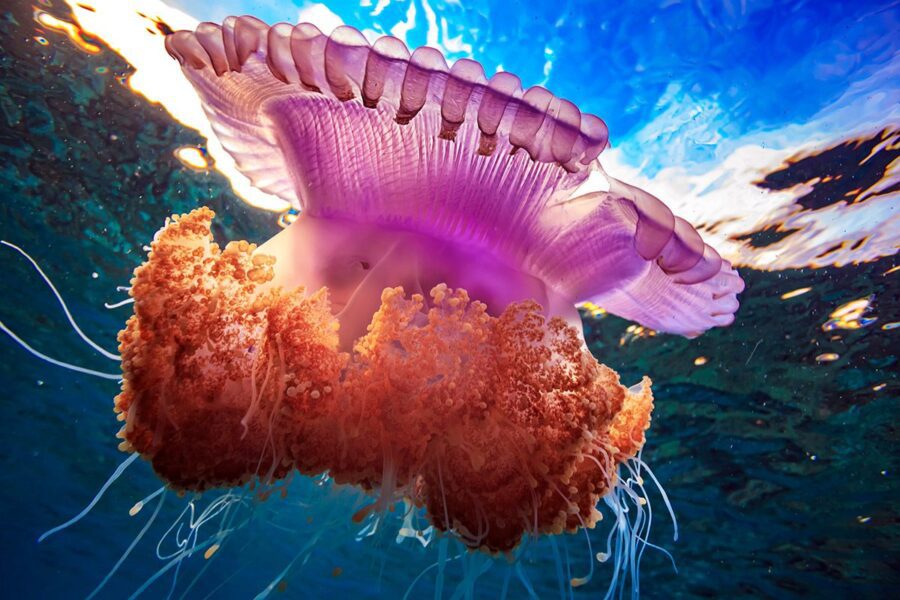
Jellyfish: Sometimes there may be jellyfish around so be careful. During storms jellyfish can be washed nearer to the shore and are not always easy to see. In the unlikely event that you do get a jellyfish sting, this can be treated by rinsing the area with salt water, applying vinegar or a baking soda paste, and taking a pain reliever. Most jellyfish stings are not life threatening but someone having a severe reaction to a jellyfish sting will require emergency care as soon as possible. That may include: Cardiopulmonary resuscitation (CPR), an epinephrine injection, for anaphylactic shock, life support to stabilise breathing, heart rate and blood pressure, antivenin medication, if the sting is from a box jellyfish and pain medicine. For peace of mind and to be extra safe we recommend you seek medical treatment for any jellyfish stings, just to be sure it is not serious.
Swim Skills: Swimming in the ocean takes different skills and can be more difficult than swimming in a pool, so make sure you’re a strong and confident swimmer. If you’re not then don’t venture out further than you can easily stand on your feet.
Entering the Water: Never run or dive into the water as there maybe rocks just under the surface that you cannot see from above. When walking the beach or into the water watch out for dead coral at it can be sharp and cut your feet. Live coral is a living animal and is also sharp, so when snorkelling don’t be walking on it as it’s harmful to both yourself and the coral.
Sea Urchins: These have globe to flattened-shaped bodies covered with spines. They are non-aggressive marine animals found all over the world. They live in shallow, rocky bottoms, or hide in sandy cervices. Human contact with sea urchins is either accidental or intentional. People accidentally step on them in shallow surf, or intentionally pick up the urchins, unaware that they must handle the spines with care to avoid injury. Sea urchins are venomous, so prompt and proper care is important. In the event of a sea urchin sting, stay calm and follow protocol to avoid serious infection.
Koh Samui Beach Safety Key Points
- Avoid swimming under the influence of alcohol or drugs: Consuming alcohol or drugs impairs judgment and coordination, making it unsafe to swim. It’s best to save the drinks for after your beach activities.
- Wait after eating a large meal: Swimming immediately after a heavy meal can increase the risk of cramps and discomfort. Wait for at least an hour before entering the water to ensure proper digestion.
- Stay hydrated: The tropical climate can be dehydrating, so make sure to drink plenty of water to stay hydrated throughout the day. It’s important to replenish fluids regularly, especially if you’re engaging in physical activities.
- Use high-level sunscreen and reapply after swimming: Protect your skin from the intense tropical sun by using a high SPF sunscreen. Apply it generously before heading out and reapply after swimming to maintain effective sun protection.
- Wear a t-shirt and hat: To provide additional protection from the sun’s rays, consider wearing a lightweight t-shirt and a hat with a wide brim. This can help shield your skin from direct exposure and reduce the risk of sunburn.
It’s important to note that the beaches in Koh Samui are generally considered safe, but it’s always wise to use common sense and follow the provided beach safety tips. By being aware of your surroundings and taking precautions, you can fully enjoy the pristine beaches, engage in water sports, go snorkeling, and relax without compromising your safety.
Explore the beautiful beaches of Koh Samui with confidence by following these Koh Samui beach safety guidelines provided. By staying aware and prepared, you can have a memorable and enjoyable beach experience on this stunning island.
Featured Koh Samui Beaches


Recommended Activities and Tours
