
Thai Culture
Thai Culture in Samui
Much like the rest of Thailand, there’s a strong connection to Thai culture in Samui. The warm welcome of the island’s inhabitants, as well as the island’s customs, festivals, and temples, are all manifestations of the island’s extraordinary cultural wealth.
It is possible to have a more enriching and delightful time on Koh Samui by expressing appreciation for the island’s traditions, showing respect for the local customs, and being open to seeing other cultures.
Here are some aspects of Thai culture in Samui that you may encounter during your stay.
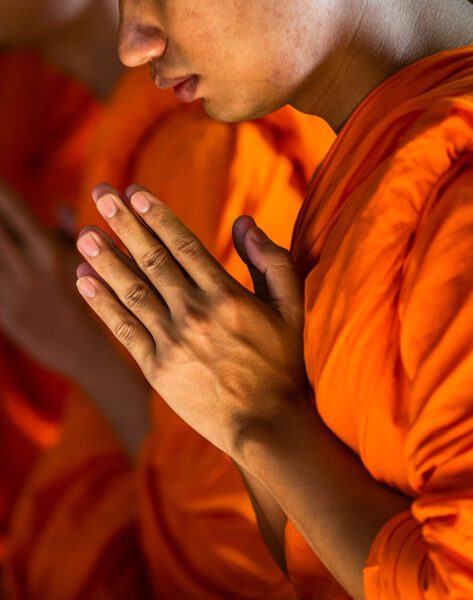
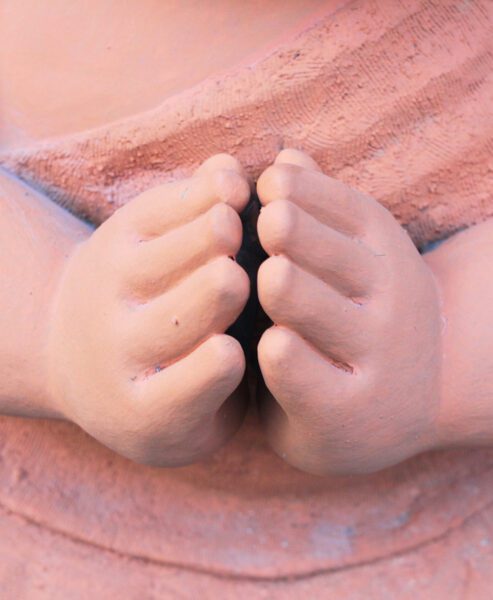

Buddhism and Temples: The religion of Buddhism is profoundly embedded with Thai culture in Samui is home to a number of majestic temples that are referred to as wats. Wat Phra Yai, which is home to the world-famous monument of the Big Buddha, and Wat Plai Laem, which is famed for its intricate architecture and spectacular statues, are two places of worship that are particularly noteworthy on the island.
In order to show respect for the religious customs that are observed within the temples, it is essential for visitors to dress in a manner that is considered somewhat modest. While it is permissible for visitors to see these holy sites, it is imperative that they do so with reverence.
Traditional Festivals: Thailand is known for its vibrant and colorful festivals, many of which have religious or cultural significance. If you happen to visit Koh Samui during festivals like Songkran (Thai New Year) or Loy Krathong, you’ll have the opportunity to witness traditional rituals, lively parades, and community celebrations. These festivals offer a unique insight into Thai culture in Samui and it’s traditions, providing an unforgettable experience for visitors.
Respect for the Monarchy: The Thai people have a profound respect for their monarchy, and it is not uncommon to have pictures of the Thai king exhibited in public places. In order to ensure that these representations are treated with the highest respect, it is essential to avoid from engaging in any activities or making any statements that may be seen as derogatory. The Thai culture places a significant emphasis on demonstrating sensitivity and tolerance for the monarchy inside the country.
Traditional Clothing: You may still come across residents, particularly in rural regions, dressed in traditional Thai costume, despite the fact that Western-style clothing is common, particularly in tourist destinations. When attending major events or ceremonies, it is not unusual to see individuals dressed in traditional clothes that are both beautiful and traditional, so reflecting the cultural history of Thailand. Recognizing and honoring Thai culture in Samui may be accomplished via the practice of observing and enjoying traditional attire.
Wai Greeting: The traditional Thai greeting is the “wai,” where one presses their palms together in a prayer-like gesture. It is accompanied by a slight bow and is a sign of respect. While handshakes are more common in formal settings, the wai holds deep cultural significance in Thai society. Embracing the wai as a greeting can help foster positive interactions and demonstrate cultural understanding.
Thai Cuisine: Cuisine from Thailand is renowned all over the world for its intense tastes and large variety of meals. You may indulge in real Thai cuisine at restaurants, street food vendors, and local markets on the island of Koh Samui throughout your vacation. It would be a shame to pass up the opportunity to indulge in traditional meals such as Pad Thai, Som Tum (a salad made with green papaya), and Tom Yum Goong (a spicy shrimp soup). The local food scene is a fascinating opportunity to immerse oneself in Thai culture and sample the rich flavors of the island. If you enjoy this, you should definitely consider exploring it.
Thai Language: Even if English is frequently spoken in tourist regions, it is still beneficial to learn a few basic Thai words in order to increase the quality of your experience and demonstrate respect for the culture of the place. The people of Thailand are grateful to tourists who make an attempt to communicate with them in their language, even if it is only a few pleasantries or short sentences. The act of interacting with Thai natives can result in the formation of significant ties and the opening of doors to genuine experiences.
Experience Thai Culture in Samui
Muay Thai: Frequently referred to as the “art of eight limbs,” Muay Thai is not only the national sport of Thailand but also a martial art that has strong cultural origins. Several Muay Thai training camps can be found on the island of Koh Samui. These camps provide tourists with the option to witness live bouts or even take part in training sessions. Observing this engaging sport offers an insight into the athleticism, discipline, and the Thai culture in Samui.
Spirit Houses: A unique aspect of Thai culture in Samui is the presence of spirit houses, small shrines found outside homes, businesses, and public spaces. These spirit houses are dedicated to spirits and are part of animist beliefs. It is common to see people making offerings of flowers, incense, and other items at these spirit houses as a way of showing respect to the spirits and seeking their protection.
Laid-Back Island Lifestyle: While Koh Samui is a place that celebrates Thai customs and culture, it also has its own unique way of life that is characteristic of an island. It is well known that the residents on the island are recognized for their warmth, friendliness, and generosity towards guests. The environment on the island is rather relaxed back. Visitors are able to thoroughly immerse themselves in the island’s one-of-a-kind allure and appreciate the laid-back island lifestyle thanks to the inviting setting that promotes a comfortable and delightful experience.
Featured Temples


Recommended Activities and Tours
